Comparison of Crushed Stone Vs River Sand
Gorle Global Group Services
Comparison of Crushed Stone vs. Natural River Sand
When choosing between crushed stone (manufactured sand) and natural river sand for
construction purposes, it is important to consider several factors, including strength, durability,
workability, environmental impact, and cost. Here’s a comparison:
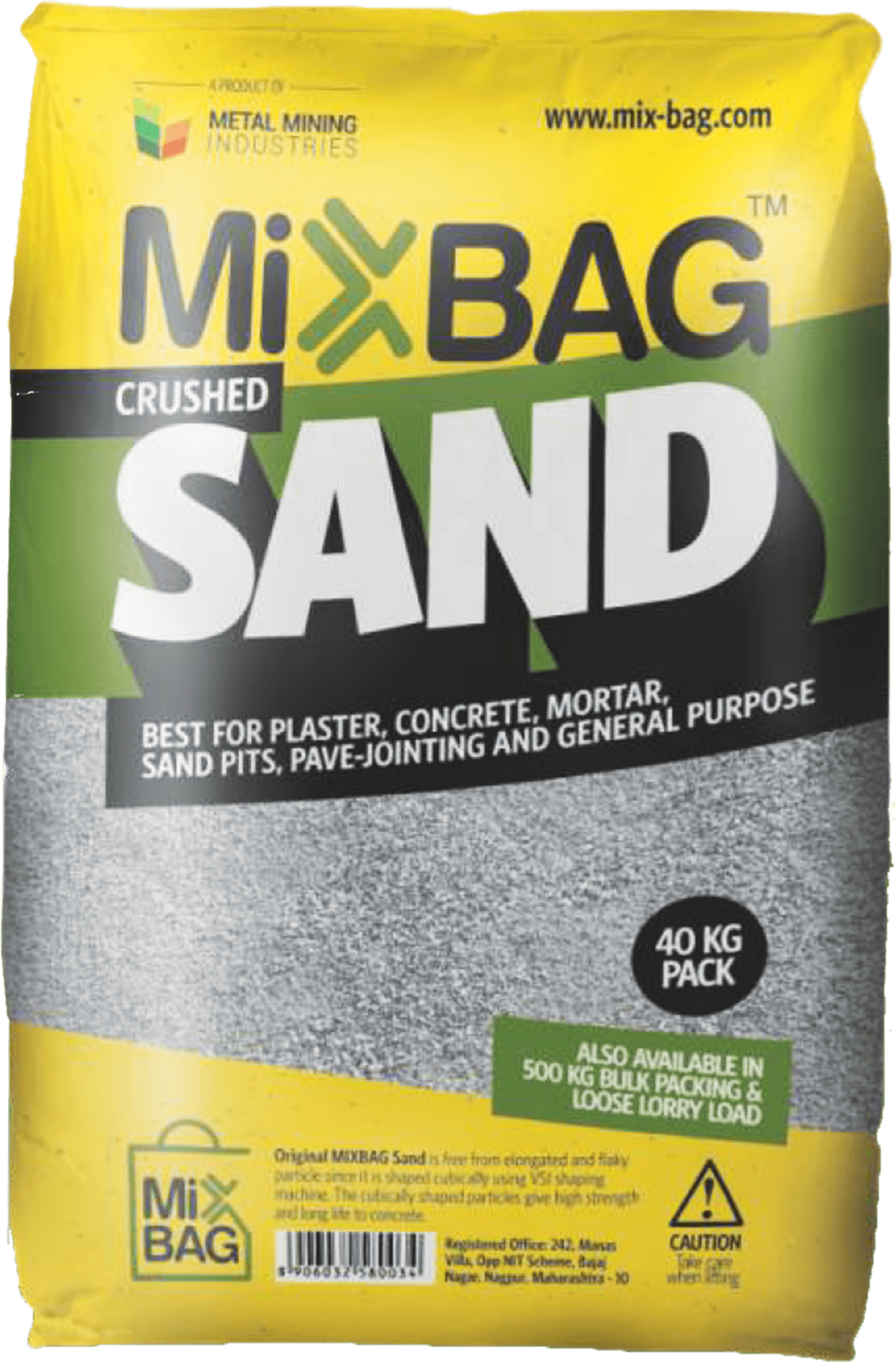
Crushed Stone (Manufactured Sand)
-
Source
Produced by crushing rocks or stones using VSI machines.
-
Shape
Cubically shaped, angular particles.
-
Grading
Uniform grading, adhering to IS 383 (1970) standards.
-
Strength
Provides superior strength for concrete and mortar.
-
Durability
Higher durability due to controlled manufacturing.
-
Workability
Requires slightly more water for mixing due to angularity.
-
Cost
Typically more cost-effective, especially when river sand is scarce.
-
Environmental Impact
Eco-friendly as it reduces the need for river sand mining, which depletes natural resources.
-
Availability
Readily available as it is a manufactured product.
-
Applications
Ideal for construction, concrete production, and plastering.

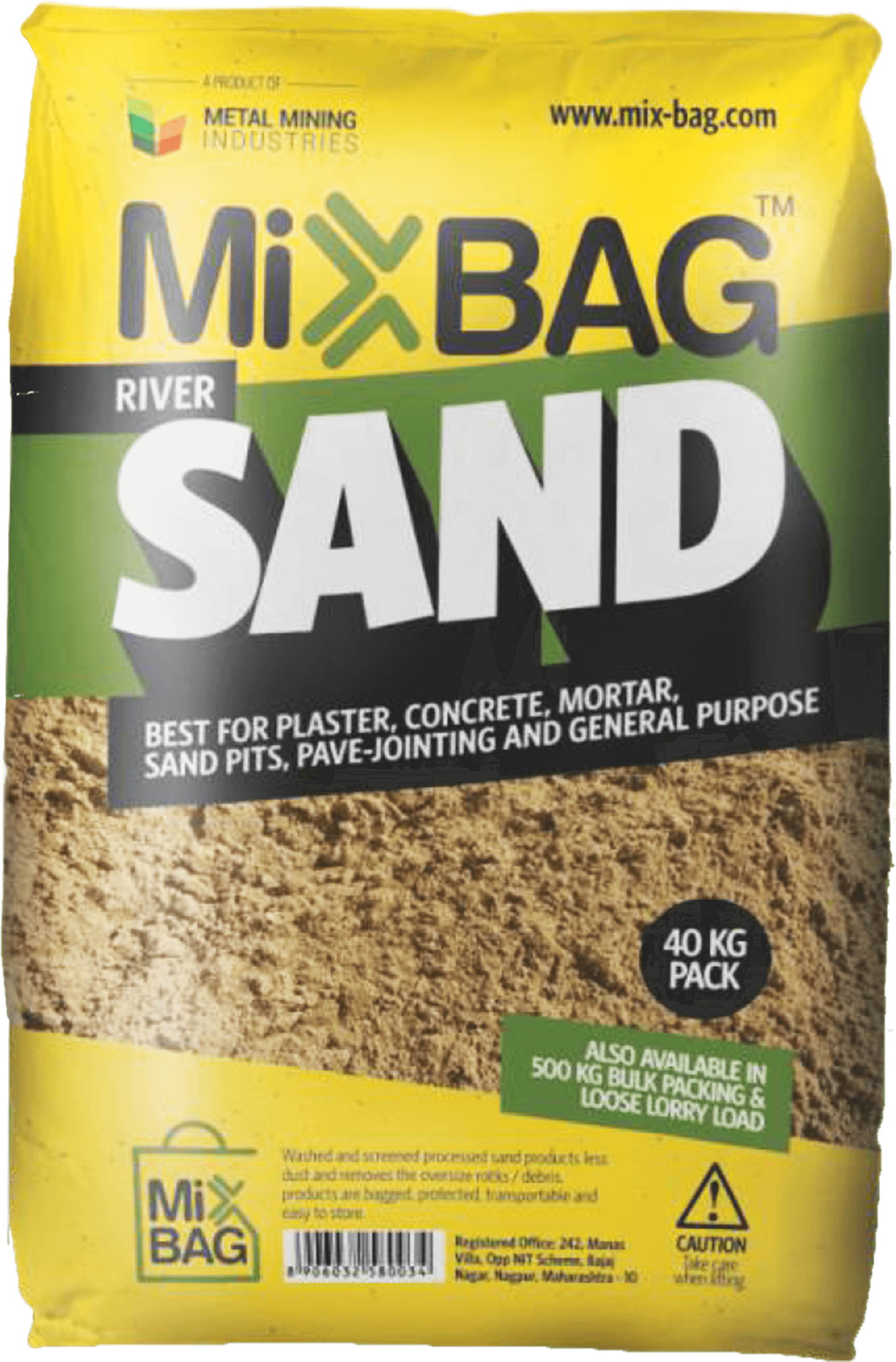
Natural River Sand
-
Source
Extracted from riverbeds and natural sources.
-
Shape
Smooth, rounded particles.
-
Grading
Natural grading, often inconsistent.
-
Strength
Offers lower strength compared to crushed stone.
-
Durability
Can be less durable, especially when sourced from inconsistent deposits.
-
Workability
Offers better workability with less water, but may lead to segregation in the mix.
-
Cost
Can be expensive due to transportation and depleting natural sources.
-
Environmental Impact
Unsustainable due to excessive mining, leading to riverbank erosion and ecological damage.
-
Availability
Limited and varies based on geographic location and mining restrictions.
-
Applications
Commonly used in construction but may not meet the required strength in certain applications.


